
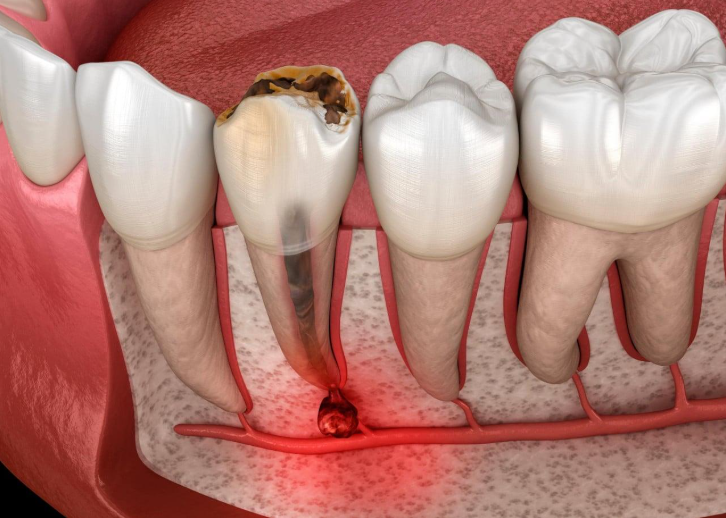
A root canal is intended to remove infected or damaged tissue from inside a tooth and seal the treated space. In some cases, however, infection or inflammation may return after treatment. This does not automatically mean that the tooth must be removed. Depending on the cause and condition of the tooth, retreatment may be one option to consider.
If you notice renewed pain, swelling, tenderness, or sensitivity around a previously treated tooth, a dentist in St. Marys can assess the area and discuss the possible causes.
Why Can an Infection Return After a Root Canal?
A root canal involves cleaning and sealing the internal canals of a tooth. Teeth can have complex canal systems, and bacteria may remain if an area is difficult to locate or adequately clean. Other factors may also contribute to problems after treatment.
A new cavity, a leaking or damaged restoration, a crack in the tooth, or changes around the root may affect the tooth. Sometimes symptoms may occur without a new infection. Inflammation around the tooth can have several possible causes, so an examination is needed before determining what is happening.
What Is Root Canal Retreatment?
Root canal retreatment involves reopening the previously treated tooth so the dentist can examine and clean the root canal system again. Existing filling material may need to be removed before the canals are cleaned and sealed again.
The tooth may then require a new restoration to protect it from further damage. The appropriate approach depends on the tooth, previous treatment, surrounding tissues, and the reason symptoms have returned. A St Mary’s dentist can explain the findings and discuss whether retreatment is an appropriate option.
Does Retreatment Always Save the Tooth?
Retreatment may be possible in some cases, but it is not suitable for every tooth. A severe crack, extensive structural damage, inadequate remaining tooth structure, or other concerns may affect the available options.
Depending on the circumstances, a dentist may discuss retreatment, surgical treatment, extraction, or other alternatives. The decision should be based on an individual assessment rather than symptoms alone. Diagnostic imaging may also be recommended to examine the tooth and surrounding bone more closely.
What Does Retreatment Cost?
The cost varies according to the tooth involved, complexity of the previous root canal, diagnostic needs, restoration requirements, and any additional treatment.
Patients may wish to ask for an explanation of the recommended procedure and an estimate of the associated fees before treatment begins. Dental insurance coverage also varies, so checking the details of a dental plan may help clarify potential out-of-pocket expenses.
When Should You Seek Dental Care?
Persistent or returning pain should be assessed rather than ignored. Swelling, tenderness when biting, a recurring pimple on the gum, or other changes around a previously treated tooth may warrant a dental examination. Severe swelling that affects breathing or swallowing requires urgent medical attention.
Discuss a Previously Treated Tooth With Queen Street Dentistry!
If you have noticed pain, swelling, tenderness, or other changes around a tooth that previously received root canal treatment, Queen Street Dentistry can assess your concerns and discuss possible next steps. Retreatment may be considered in some situations, but an examination is needed to evaluate the tooth and surrounding tissues. Contact the practice to arrange an appointment and learn more about your treatment options.