
Gum disease is a topic many of us might not think about until it becomes a pressing issue. It’s one of those dental health concerns that can sneak up on you, often without any noticeable symptoms until it’s already advanced. Understanding gum disease is essential for maintaining a healthy mouth, so let’s dive into the signs, symptoms, and treatments available.
What is Gum Disease?
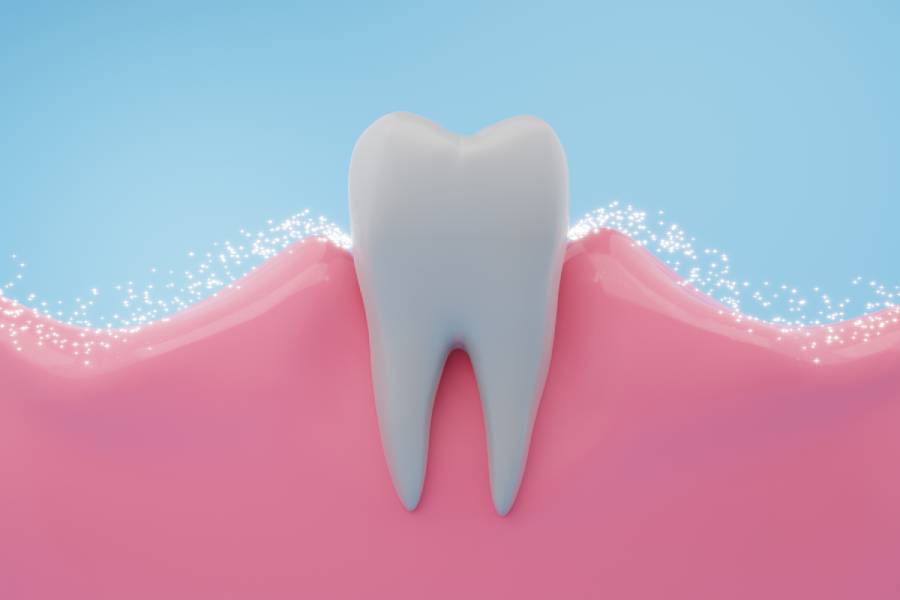
Gum or periodontal disease is an infection of the tissues surrounding and supporting teeth. It starts with plaque buildup, a soft, sticky film of bacteria that forms on teeth. If plaque is not removed through regular brushing, it can harden into tartar, leading to gum inflammation.
Signs You Might Have Gum Disease
It’s easy to dismiss mild gum issues, but knowing the signs can help you catch problems early. Here’s what to look out for:
- Swollen or Red Gums: Healthy gums should be firm and pale pink. If you notice redness or swelling, pay attention.
- Bleeding During Brushing: This is a classic sign of gum disease if your gums bleed easily when you brush or floss.
- Persistent Bad Breath: Experiencing bad breath that doesn’t go away with brushing? It could be a sign of bacterial buildup in your mouth.
- Gum Recession: If your gums are pulling away from your teeth, this can increase sensitivity and is often a sign of more serious gum disease.
- Loose Teeth: In advanced stages, you might notice that your teeth feel loose or are shifting position.
Treatment Options for Gum Disease
The good news is that gum disease is treatable, especially when caught early. Here are some common treatments you might encounter:
- Professional Teeth Cleaning: Dental teeth cleaning is often the first step. Your hygienist will remove plaque and tartar from your teeth, helping to restore gum health.
- Scaling and Root Planing: If gum disease is more advanced, your family dentist may recommend a deeper cleaning, which involves cleaning below the gum line to remove bacteria.
- Medications: Sometimes, your dentist may prescribe antibiotics or antimicrobial mouth rinses to help control infection.
- Surgery: In severe cases, surgical procedures like flap surgery or bone grafting may be necessary. While this sounds intimidating, your dentist will be there to guide you through the process.
Prevention Measures
The best way to deal with gum disease is to prevent it in the first place. Here are some simple steps you can take:
- Brush Twice a Day: Use fluoride toothpaste and a soft-bristle toothbrush. It’s a small effort for a big payoff!
- Floss Daily: Flossing helps remove food particles and plaque between your teeth, where your toothbrush may not reach.
- Regular Check-Ups: Don’t skip those routine visits to your dentist. Regular check-ups are essential for keeping gum disease at bay.
- Healthy Eating: A balanced diet rich in vitamins and minerals will support your gum health.
Identifying the signs early and pursuing treatment can prevent more serious issues later. Whether you’re searching for a dentist near me or specifically looking for a St. Mary dental clinic, we at Queen Street Dentistry are here to help. Our family dentistry in St. Marys is dedicated to providing the comprehensive care you need to maintain a healthy smile. Schedule your appointment today!